Chhattisgarh to Emerge as a New Hub of Clean Energy as Cabinet Approves CG-CBG Policy 2026
Green Energy to Be Produced from Agricultural Residue, Cattle Dung and Organic Waste; Farmers’ Income and Investment to Receive Major Boost
Raipur, June 23, 2026/
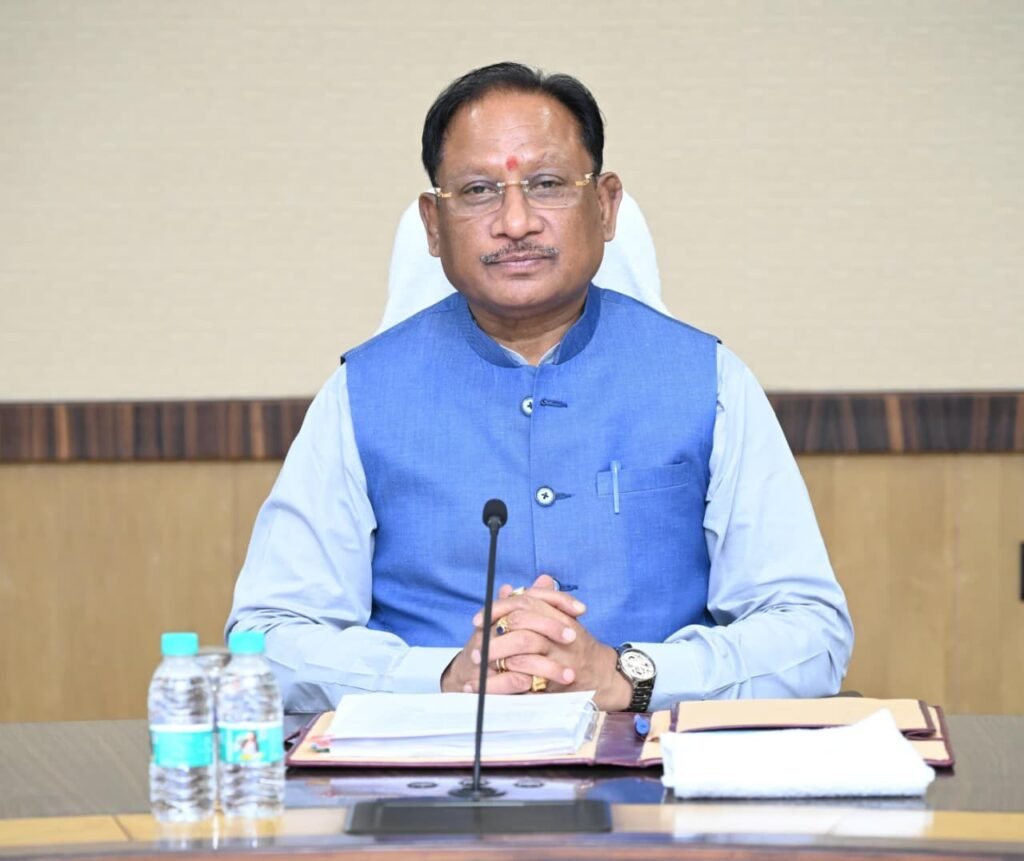
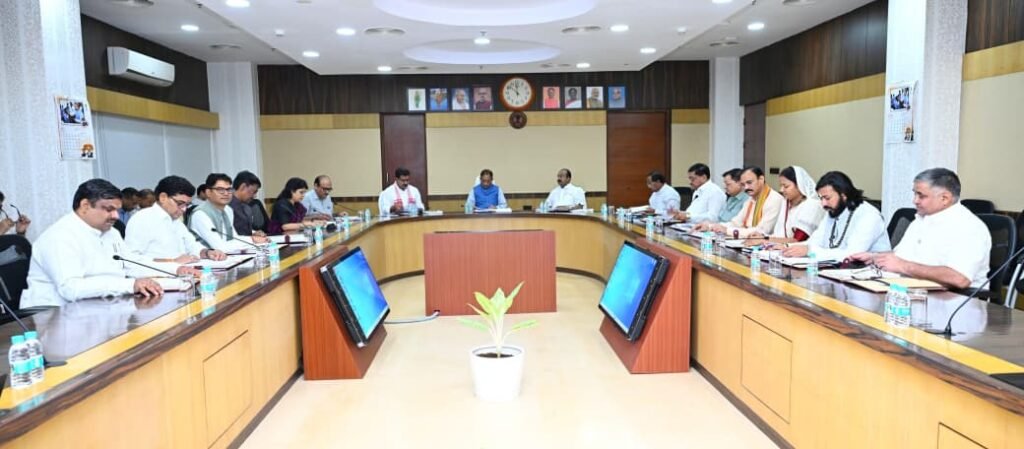
In a Cabinet meeting held on June 23 under the leadership of Chief Minister Shri Vishnu Deo Sai, the Chhattisgarh Compressed Biogas (CG-CBG) Policy 2026 was approved. The policy is expected to become a significant initiative in providing new direction for clean energy, green industrialisation, an agriculture-based economy, and environmental conservation in the state.
Chhattisgarh has the potential to produce nearly 1.65 lakh metric tonnes of Compressed Biogas (CBG) annually from agricultural and crop residues, paddy straw, cattle dung, livestock waste, municipal solid waste, press mud, sugarcane residue and energy crops such as Napier grass. This will promote clean energy production in the state and reduce dependence on conventional fossil fuels.
With the effective implementation of the new policy, approximately 2.16 lakh tonnes of petrol- and diesel-equivalent fuel can be supplied annually through CBG. This will not only help save foreign exchange but also strengthen the country’s energy self-reliance.
Chief Minister Shri Vishnu Deo Sai stated that the policy will create new opportunities for farmers, cattle rearers and the rural economy of Chhattisgarh. Better utilisation of agricultural residues and organic waste will increase farmers’ income and generate new employment and entrepreneurial opportunities in rural areas.
The use of organic manure obtained as a by-product from CBG plants will promote natural and organic farming. This will reduce dependence on chemical fertilisers, preserve soil fertility and encourage sustainable agriculture.
The policy will also play an important role in promoting green growth and a climate-resilient economy. The use of CBG will help reduce greenhouse gas emissions, enabling Chhattisgarh to contribute effectively towards the national target of achieving net-zero emissions.
The policy has been formulated in line with the Government of India’s SATAT (Sustainable Alternative Towards Affordable Transportation) initiative, which aims to promote sustainable and affordable transport. Chhattisgarh’s initiative will make an important contribution to national efforts to promote clean energy.
The policy will also benefit from the city’s gas distribution network and gas infrastructure currently being developed in the state. This will create a strong ecosystem for CBG production, distribution and utilisation, while providing better opportunities for investors.
The Chhattisgarh Biofuel Development Authority (CBDA) has been actively promoting the CBG sector since 2024. At present, CBG plants are being established at eight locations, including Raipur, Durg-Bhilai, Bilaspur, Rajnandgaon, Dhamtari, Ambikapur, Raigarh and Korba, with investments from BPCL and GAIL India Limited. The land allotment process for all these projects has already been completed.
The private sector has also shown significant interest in the CBG industry, with investment proposals totalling nearly Rs. 3,600 crore received. Following the implementation of the new policy, prospects for large-scale investment, employment generation and industrial development in this sector are expected to strengthen further.
The policy approved by the Cabinet is based on six key pillars: infrastructure support; strengthening of feedstock supply chains; assistance for plant establishment and operations; bio-fertiliser management and supporting infrastructure development; CBG demand generation and integration with the transport sector; and investment promotion and industrial development.
For the effective implementation of the policy, the Chhattisgarh Biofuel Development Authority (CBDA) has been designated as the state’s nodal agency.
Chief Minister Shri Vishnu Deo Sai said that the policy will be a milestone in positioning Chhattisgarh among the leading states in the country in clean energy production, green industry, organic agriculture, and sustainable development. The initiative will provide renewed momentum to the state’s resolve to build a developed Chhattisgarh.