When Chhattisgarh’s Pandavani Tradition Came Alive on Delhi’s Cultural Stage
IHC Lok Sangeet Sammelan celebrates Chhattisgarh’s folk heritage at India Habitat Centre; Pandavani performance pays tribute to legendary artist Teejan Bai
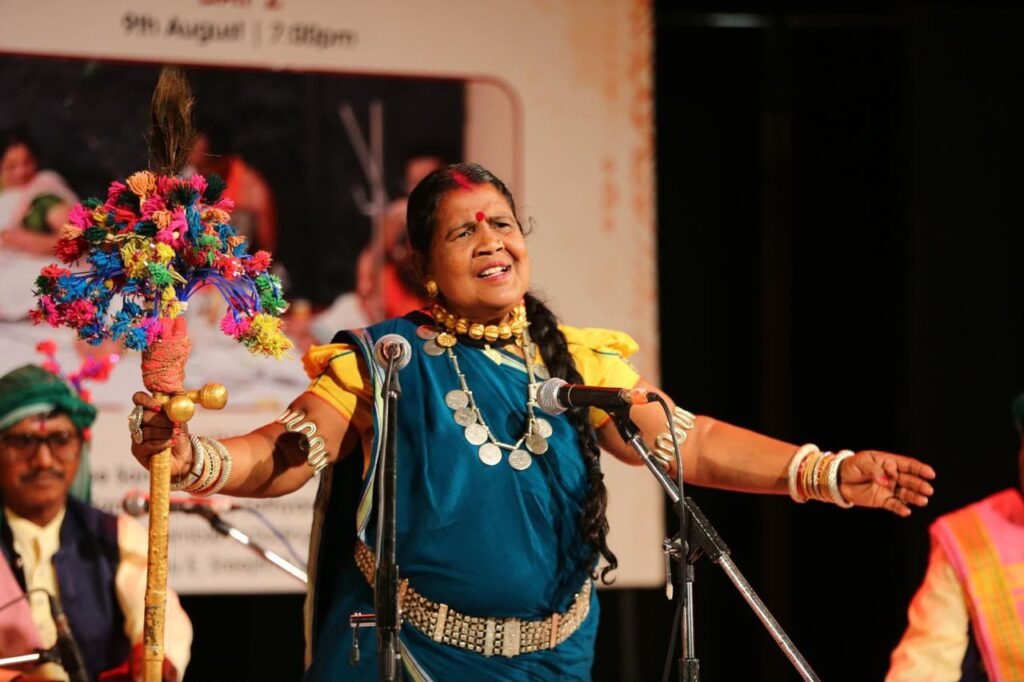
New Delhi, August 10, 2026: Chhattisgarh’s rich Pandavani tradition came alive at the prestigious India Habitat Centre in the national capital, as the IHC Lok Sangeet Sammelan 2026 opened with a special performance dedicated to the memory of legendary Pandavani exponent and Padma Vibhushan awardee, the late Teejan Bai. The presentation brought Chhattisgarh’s distinctive folk tradition into the spotlight on Delhi’s vibrant cultural landscape.
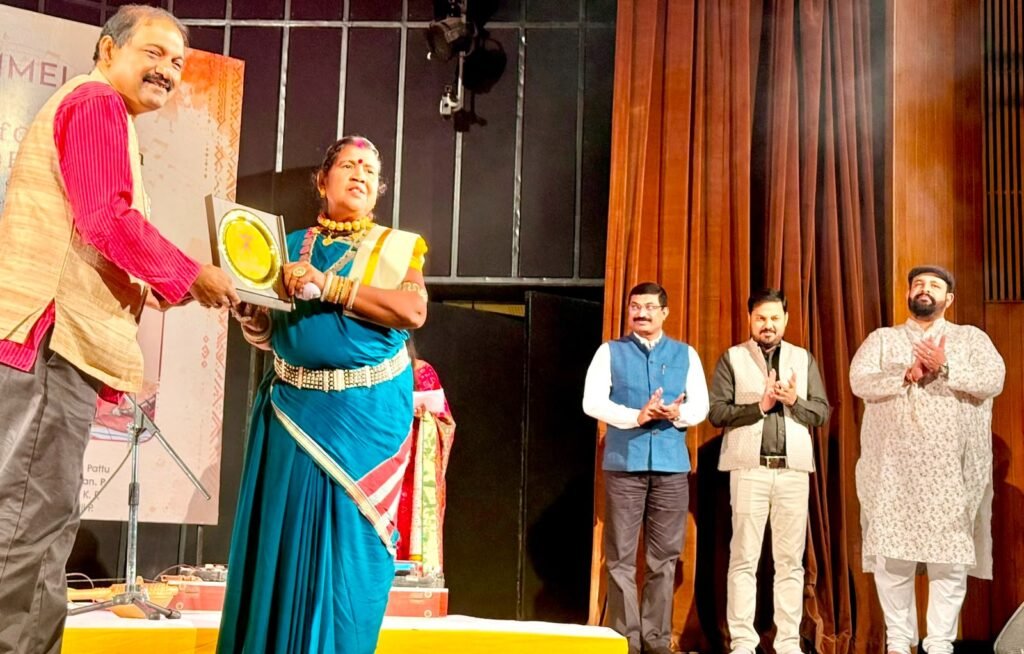
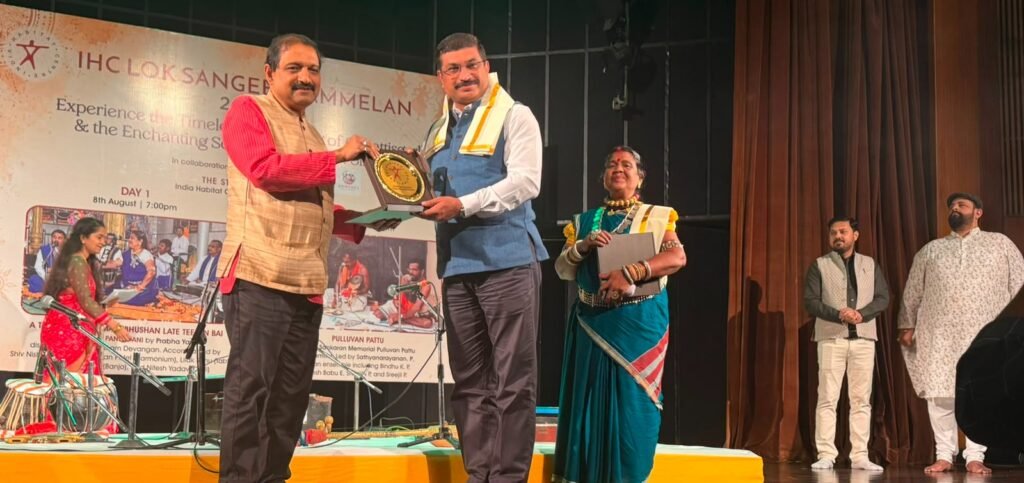
Held at the Stein Auditorium of the India Habitat Centre, the programme featured Pandavani artist Prabha Yadav, who performed alongside a group of traditional musicians. Combining storytelling, singing, dialogue, rhythm and expressive performance, the presentation brought alive the distinctive character and enduring strength of Pandavani, a folk narrative tradition rooted in the Mahabharata.
The programme was attended by representatives of the Government of Chhattisgarh and prominent personalities associated with the state’s art and cultural life. Senior journalist and Advisor to the Chief Minister of Chhattisgarh R. Krishna Das, Dharsewa MLA and noted Chhattisgarhi film personality Anuj Sharma, Prabal Pratap Singh Judev, along with cultural workers and academicians associated with the University of Delhi, were present on the occasion. Director of India Habitat Centre Prof. (Dr.) K.G. Suresh and Secretary of Anvesha Kala Kendra Anvesha Brahma were also present.
Remembering Teejan Bai’s contribution
The performance was centred on the remarkable artistic journey of Teejan Bai and her contribution to giving Pandavani a national and international identity. Emerging from Chhattisgarh’s folk tradition, Pandavani reached major stages across India and abroad through Teejan Bai’s distinctive style and extraordinary artistry. Her contribution established Pandavani as one of India’s significant traditional performing art forms.
The tribute also celebrated the larger tradition of folk storytelling in which narratives are not merely a form of entertainment, but a means of carrying cultural memory, values and traditions from one generation to another.
Director of India Habitat Centre Prof. (Dr.) K.G. Suresh said that India’s folk arts are an important part of the country’s cultural heritage, preserving stories, traditions and values passed down through generations. He said that providing a platform in the national capital to traditional artists and art forms is an important step towards taking these cultural traditions to a wider audience.
Dharsewa MLA Anuj Sharma said that Pandavani is an important part of Chhattisgarh’s cultural identity. Teejan Bai took the art form from the villages of Chhattisgarh to national and international stages. He said that the recognition accorded to this tradition in Delhi is a matter of pride for the people of Chhattisgarh.
Secretary of Anvesha Kala Kendra Anvesha Brahma said that India’s folk traditions preserve centuries of history, collective memory and ways of life. Such initiatives help connect these traditions with new audiences and younger generations.
A shared platform for India’s folk traditions
The IHC Lok Sangeet Sammelan is an annual initiative that brings together folk music, storytelling and performing traditions from different parts of India. The festival provides a platform to showcase the country’s diverse folk heritage and enables traditional artists to reach wider audiences.
The opening of this year’s festival with a Pandavani performance dedicated to the memory of Teejan Bai holds special significance. Presented at one of the national capital’s prominent cultural venues, the performance highlighted that India’s folk arts are not merely traditions of the past, but continue to remain an important part of the country’s cultural identity and creative expression.
For more than 25 years, Anvesha Kala Kendra has been working towards the preservation, promotion and documentation of India’s classical and folk arts through performances, festivals, cultural exchanges and educational initiatives.